

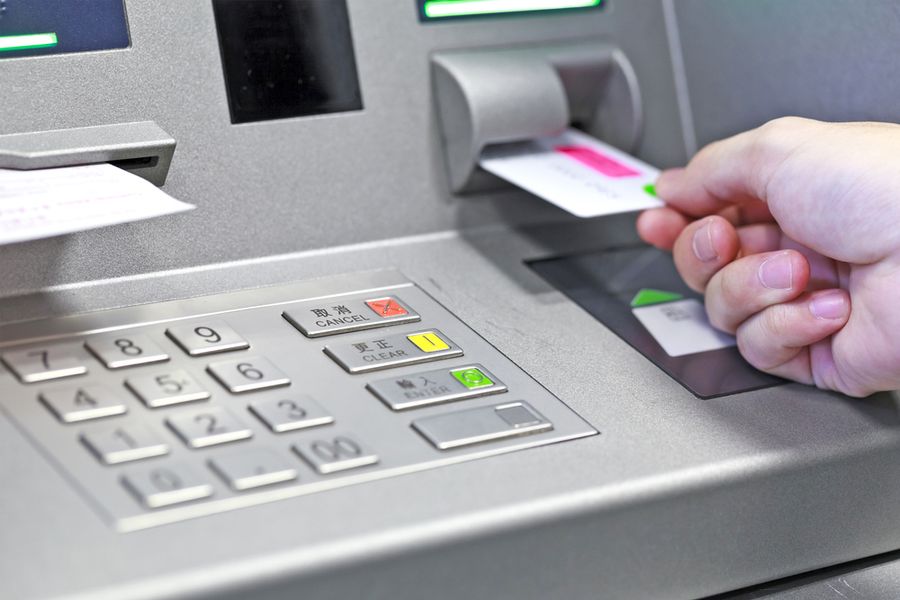
ATM fee reimbursement programs can help reduce the cost of accessing cash, especially for people who do not live near their bank’s ATMs. The programs refund fees charged when you use out-of-network machines, but the rules are not always obvious. Understanding how reimbursements work helps you avoid surprise limits and choose accounts that fit your habits. Understand how ATM fee reimbursement programs function, what to watch for, and when they provide real value.
What ATM Fee Reimbursement Means
ATM fee reimbursement is a feature offered by some banks that refunds fees charged when you use an ATM outside the bank’s own network. These fees are usually charged by the ATM owner, not your bank. With reimbursement, your bank credits the fee back to your account after the transaction posts.
Reimbursements are not automatic at all banks, and not all accounts qualify. Some banks reimburse every eligible fee, while others set monthly limits. Understanding the basic structure helps you know what to expect and whether the feature fits your cash usage.
How Reimbursements Are Applied
In most cases, ATM fees are refunded after the transaction settles, not immediately. You may see the fee deducted first, followed by a separate credit later. This credit often appears at the end of the day or within a few business days.
The reimbursement usually applies only to fees charged by the ATM owner. If your bank charges its own out-of-network fee, reimbursement policies vary. Some banks refund both fees, while others only cover the external charge. Checking how your bank handles this detail prevents confusion when reviewing statements.
Limits and Conditions to Watch
Many ATM reimbursement programs include limits. These limits may be based on a dollar amount per month or a maximum number of reimbursed transactions. Once you reach the limit, additional ATM fees are not refunded until the next cycle.
Some accounts require certain conditions to qualify for reimbursement. This might include maintaining a minimum balance, setting up direct deposit, or using a specific account type. If these conditions are not met, reimbursement may not apply, even if the account advertises the feature.
Which Banks Commonly Offer Reimbursement
ATM fee reimbursement is more common among online banks and some credit unions. Because online banks often lack physical branches, reimbursement helps offset limited ATM access. Credit unions may also offer reimbursement through shared networks or member-focused programs.
Traditional banks may offer reimbursement on premium accounts but not on basic checking. In these cases, the feature may be tied to higher-tier accounts with additional requirements. Knowing which types of institutions offer reimbursement helps narrow your choices.
When ATM Reimbursement Is Most Useful
ATM fee reimbursement is most valuable for people who travel frequently, live in areas with few in-network ATMs, or prefer flexibility when accessing cash. It is also useful for those who use smaller local banks or online-only institutions.
For people who rarely use cash or mostly rely on in-network ATMs, reimbursement may not matter much. Evaluating how often you withdraw cash helps determine whether this feature adds meaningful value.
Common Misunderstandings About Reimbursement
One common misunderstanding is assuming all ATM fees are covered without limits. In reality, many programs cap reimbursements or apply only to certain machines. Another misunderstanding is thinking reimbursement happens instantly, which can lead to temporary balance confusion.
Some people also assume reimbursement applies to international ATM fees. This is often not the case. Foreign transaction fees and international ATM charges are usually treated differently. Reading the account terms helps avoid incorrect assumptions.
How to Track and Confirm Reimbursements
Monitoring your account activity helps ensure reimbursements are applied correctly. Review statements regularly to confirm that fees are refunded as expected. If a reimbursement does not appear, contacting customer support can clarify whether limits or conditions were reached.
Keeping track also helps you understand how quickly reimbursements post and whether the feature aligns with your cash habits. Awareness prevents small fees from adding up unnoticed.
Alternatives to ATM Reimbursement Programs
ATM reimbursement is not the only way to reduce cash access costs. Using in-network ATMs, cash-back options at retailers, or limiting withdrawals can also help. Some people choose to withdraw larger amounts less often to reduce the number of fees.
Each approach has trade-offs. Reimbursement offers flexibility, while alternatives focus on planning. Choosing the right mix depends on convenience and comfort.
Questions to Ask Before Choosing an Account
Before opening an account for ATM reimbursement, ask a few key questions. Are there monthly limits? Are both bank and ATM owner fees covered? Are there requirements to qualify? How quickly are reimbursements posted?
Clear answers help you avoid disappointment and choose an account that truly fits your needs rather than just sounding appealing.
A Useful Feature When You Understand the Rules
ATM fee reimbursement programs can make accessing cash easier and cheaper, but only when you understand how they work. Limits, timing, and eligibility all matter.
By reviewing the details and matching the feature to your cash habits, you can decide whether reimbursement adds real value. When used intentionally, it can reduce small but recurring costs and make everyday banking more flexible.