

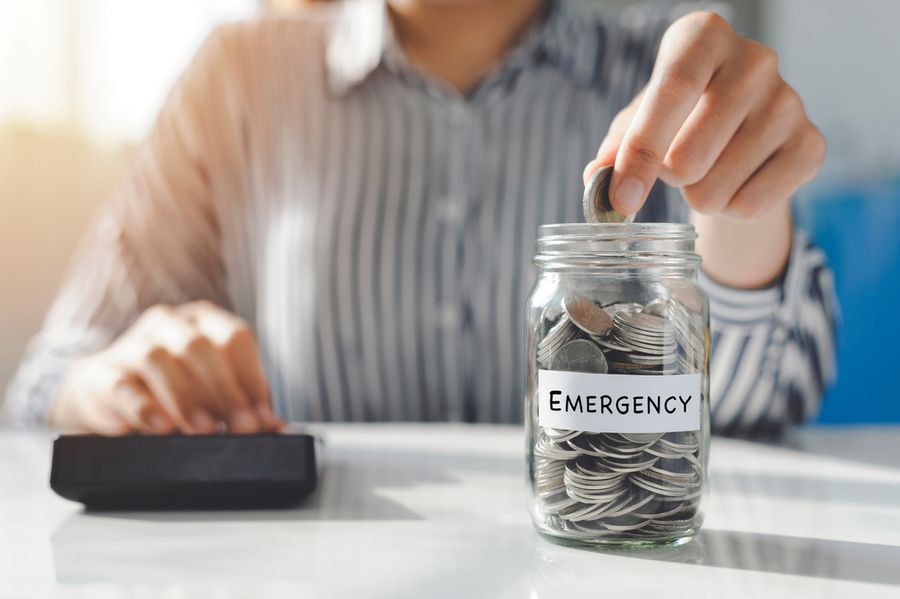
An emergency fund is meant to protect you when life takes an unexpected turn, not to take risks or create extra stress. A high-yield savings account can be a good place to keep your money because it combines safety, access, and modest growth. However, not all savings accounts work the same way. Understand how to choose a high-yield savings account that truly fits the purpose of an emergency fund.
What Makes a Savings Account “High-Yield”
A high-yield savings account offers a higher interest rate than a standard savings account. These accounts are often provided by online banks, though some traditional banks offer them as well. The goal is not aggressive growth, but earning more on idle cash without taking on risk.
For an emergency fund, yield matters less than reliability. A slightly higher rate is helpful, but safety and access should come first. A high-yield account is best viewed as a place to preserve value and earn modest returns while keeping funds ready for use.
Prioritize Safety and Account Protection
An emergency fund must be safe. Make sure the savings account is held at a bank that follows standard deposit protections. This ensures your money is protected even if the bank faces trouble.
Safety also includes account stability. Avoid accounts with unclear terms, sudden rule changes, or complicated requirements. An emergency fund should feel boring and predictable. If the account causes confusion or concern, it may not be the right place for money meant to protect you.
Focus on Easy and Reliable Access
Access is one of the most important features of an emergency fund. When something unexpected happens, you should be able to move money quickly and easily. Look for accounts that allow fast transfers to your checking account without delays or penalties.
Check how transfers work and how long they usually take. Some accounts process transfers quickly, while others may take several business days. Having quick access reduces stress and ensures the emergency fund works when it is needed, not just when it looks good on paper.
Watch for Fees and Balance Requirements
Fees can quietly reduce the value of a savings account. Look for high-yield savings accounts with no monthly fees or balance requirements that are easy to maintain. An emergency fund should not require extra effort just to avoid charges.
Also review rules related to withdrawals. Some accounts limit the number of transfers per month or charge fees for certain actions. While emergencies are not frequent, knowing the rules ahead of time helps prevent surprises during stressful moments.
Avoid Accounts With Extra Risk or Restrictions
Some financial products offer higher returns but include restrictions, lockups, or investment risk. These are usually not a good fit for emergency funds. An emergency fund should not be tied to market performance or locked behind long waiting periods.
Stick with plain savings accounts designed for liquidity. The purpose of this money is stability, not optimization. A simple structure reduces the chance of needing to sell assets or wait for access during an emergency.
Consider Online Banks for Better Features
Many high-yield savings accounts are offered by online banks. These banks often provide competitive rates and simple account structures because they do not maintain physical branches. For emergency funds, online banks can work well if transfers are smooth and customer support is reliable.
Before choosing an online bank, test the app or website. Make sure it is easy to use and clear. An emergency fund should be easy to manage even during stressful situations, so comfort with the platform matters.
Keep the Emergency Fund Separate
It helps to keep your emergency fund separate from daily spending money. A separate savings account creates a mental boundary that reduces the temptation to dip into the fund for non-emergencies.
Naming the account as an emergency fund can reinforce its purpose. This small step helps protect the fund and ensures it is available when it is truly needed. Separation supports discipline without requiring constant willpower.
Review the Account Periodically
Interest rates and account terms can change over time. Reviewing your emergency fund account once or twice a year helps ensure it still meets your needs. If access slows, fees appear, or service declines, it may be time to consider other options.
That said, avoid chasing small rate changes. Stability and ease matter more than minor differences in yield. Frequent switching can add complexity without meaningful benefit.
Balance Yield With Peace of Mind
It is easy to focus on earning the highest possible rate, but emergency funds are about peace of mind. A good high-yield savings account supports that goal by being reliable, accessible, and easy to understand.
If an account offers a high rate but creates stress or uncertainty, it may not be worth it. The right account helps you sleep better knowing your emergency fund is ready when needed.
Choose Simplicity, Safety, and Access
A high-yield savings account can be an excellent home for an emergency fund when chosen carefully. Focus on safety, easy access, low fees, and clear terms rather than chasing the highest rate.
The purpose of an emergency fund is protection, not performance. By choosing a simple and reliable account, you ensure your emergency savings are there to support you when it matters most.