

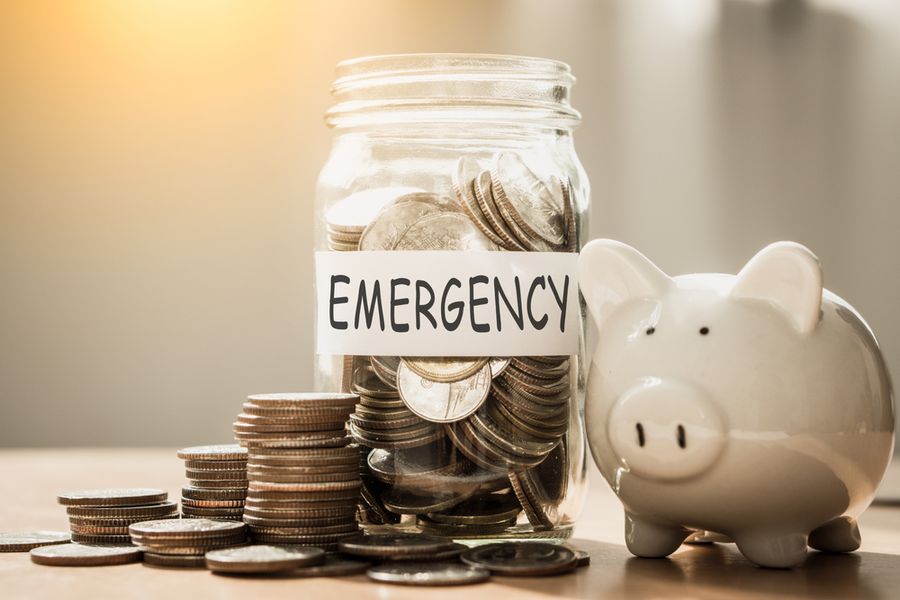
Building an emergency fund is harder when your income changes from month to month. Freelancers, contractors, sales workers, and seasonal employees often face uneven cash flow that makes saving feel unpredictable. Still, an emergency fund matters even more when income is not steady. It provides stability when work slows or unexpected costs appear. Understand practical emergency fund strategies designed for variable income earners, focusing on flexibility, consistency, and realistic habits that work in real life.
Why Variable Income Requires a Different Approach
When income is steady, saving a fixed amount each month is simple. With variable income, some months may feel comfortable while others feel tight. A standard savings plan can break down quickly if it does not adjust to these swings. This is why emergency fund planning needs to be flexible rather than rigid.
For variable income earners, the emergency fund is not just for emergencies like medical bills or repairs. It also helps smooth income gaps, delayed payments, and slow periods. Treating the fund as income support as well as emergency protection makes it more useful and easier to prioritize.
Set a Flexible Emergency Fund Target
Instead of focusing on a fixed dollar goal right away, start with a range. Many variable income earners aim for coverage based on essential monthly expenses rather than income. This shifts the focus to what you need to survive a slow month rather than what you earn in a good one.
Break the goal into stages. The first stage might be a small buffer that covers short gaps. The next stage adds more coverage as income allows. Building in layers helps you see progress early and reduces pressure to reach a large number all at once.
Base Savings on Low-Income Months
A useful strategy is to plan your savings around your lowest typical income month rather than your highest. This keeps the plan realistic and reduces the chance of falling behind. If you can save during a slow month, saving during a strong month becomes easier.
When income is higher than expected, treat the extra as an opportunity rather than a requirement. Adding more to the emergency fund during good months helps build it faster without creating stress during lean ones. This approach balances discipline with flexibility.
Separate Emergency Savings From Daily Money
Keeping your emergency fund separate from your main checking account helps protect it. A separate savings account reduces the temptation to spend the money and makes it clear what the fund is for. It also helps you track progress without mixing emergency savings with daily cash flow.
Labeling the account as an emergency fund can create a mental boundary that supports better decisions. The goal is to make the fund accessible when needed but not so visible that it becomes a spending option.
Use Percentage-Based Saving Instead of Fixed Amounts
Saving a fixed dollar amount can be hard when income changes. A percentage-based approach often works better for variable income earners. Setting aside a portion of each payment, regardless of size, keeps saving consistent without forcing the same contribution every time.
This method adapts naturally to income swings. Higher income leads to larger contributions, while lower income still supports the habit without creating strain. Over time, this builds momentum and keeps the emergency fund growing even when income is uneven.
Refill the Fund After You Use It
Using an emergency fund does not mean you failed. The fund exists to be used when needed. The key is having a plan to refill it once income stabilizes again. Without a refill strategy, the fund may not be ready for the next challenge.
After using the fund, return to your normal saving approach as soon as possible. Treat refilling as a priority rather than an afterthought. This keeps the emergency fund strong and reinforces its role as part of your financial system, not a one-time cushion.
Adjust the Fund as Income Changes
Variable income often changes over time, not just month to month. As your work stabilizes or grows, your emergency fund strategy should change as well. Review your fund at least once or twice a year to make sure it still matches your needs.
If income becomes more predictable, you may be able to simplify your savings plan. If income becomes less stable, you may want to build a larger buffer. Regular review helps the fund stay aligned with your real situation instead of outdated assumptions.
Avoid Common Emergency Fund Mistakes
One common mistake is waiting for income to feel stable before saving. For many people, that moment never arrives. Starting small during uncertainty is better than waiting for perfect conditions. Another mistake is treating the emergency fund as optional when income is strong, which can lead to missed opportunities to build protection.
Some people also rely too heavily on credit during slow periods. While credit can help in emergencies, it often adds stress later. An emergency fund reduces that risk and gives you more control.
Build Stability Even When Income Is Unpredictable
Variable income makes financial planning more complex, but it does not make it impossible. An emergency fund built with flexibility, realistic targets, and consistent habits can provide real stability even when earnings change.
By saving based on low-income months, using percentages, and adjusting over time, you create a system that works with your income instead of against it. The goal is not perfection, but resilience when life becomes unpredictable.