

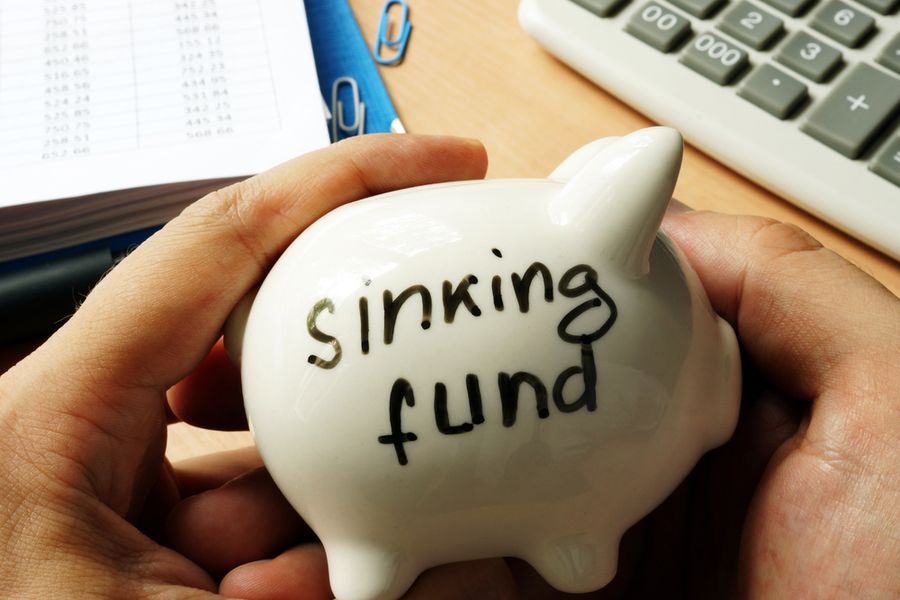
Many financial surprises are not truly unexpected. Expenses like insurance payments, holidays, travel, or yearly fees often arrive at the same time every year. The problem is not the expense itself, but the lack of planning for it. Sinking funds are a simple way to spread costs across the year and reduce stress. Understand how sinking funds work, why they are effective, and how to use them for predictable annual expenses.
What Sinking Funds Are and How They Work
A sinking fund is money you set aside gradually for a specific future expense. Instead of paying a large bill all at once, you save smaller amounts over time so the money is ready when needed. Each sinking fund has a clear purpose, such as car maintenance, gifts, or annual subscriptions.
Sinking funds are different from emergency funds. Emergency funds are for unexpected events, while sinking funds are for expenses you know are coming. By separating these categories, you avoid using emergency savings for routine costs and keep your finances more organized.
Why Sinking Funds Reduce Financial Stress
Annual expenses often cause stress because they interrupt normal cash flow. A sinking fund removes that pressure by turning irregular bills into predictable savings. When the expense arrives, the money is already available, which makes the payment feel routine rather than disruptive.
This approach also helps reduce reliance on credit. Without sinking funds, people often use credit cards to cover large yearly expenses and then pay them off later. Sinking funds allow you to pay in cash, avoiding interest and reducing the risk of long-term debt.
Common Expenses That Work Well With Sinking Funds
Sinking funds work best for expenses that are predictable but not monthly. Examples include insurance premiums, vet bills, vehicle repairs, travel, holidays, school-related costs, and annual memberships. Even expenses that vary slightly year to year can benefit from a sinking fund.
The key is choosing categories that matter to your life. You do not need a sinking fund for every possible expense. Focus on the ones that have caused stress or disrupted your budget in the past. Over time, you can add or adjust funds as needed.
How to Set Up a Sinking Fund System
Setting up sinking funds starts with identifying the expenses you want to plan for. Estimate the total amount you expect to need over the year, then divide that by the number of months until the expense is due. This gives you a monthly saving target.
You can keep sinking funds in a separate savings account, use sub-accounts, or track them within a budgeting system. The method matters less than clarity. Each fund should have a clear name and purpose so you know what the money is for and are less tempted to use it elsewhere.
How to Adjust Sinking Funds Over Time
Sinking funds are flexible and should change as your life changes. If an expense becomes more frequent or less important, adjust the contribution or close the fund. If a new annual expense appears, add a new fund when it makes sense.
Review sinking funds at least once a year. Check whether your estimates were accurate and whether the system reduced stress. Small adjustments help the system stay useful without becoming complicated.
Using Sinking Funds With a Monthly Budget
Sinking funds work best when they are part of your regular budget. Treat monthly contributions like fixed expenses rather than optional savings. This keeps the system consistent and prevents missed contributions.
When the expense arrives, pay it from the sinking fund and continue contributing as planned. This avoids gaps and keeps the cycle going. Over time, the rhythm becomes automatic and easier to maintain.
Avoiding Common Sinking Fund Mistakes
One common mistake is underestimating expenses, which can lead to shortfalls. It is better to slightly overestimate and adjust later than to come up short when the bill arrives. Another mistake is using sinking fund money for unrelated spending, which weakens the system.
Some people also create too many sinking funds at once. This can feel overwhelming and hard to manage. Starting with a few high-impact expenses and expanding gradually leads to better results.
How Sinking Funds Improve Financial Confidence
Using sinking funds builds confidence because it replaces uncertainty with preparation. You know that upcoming expenses are covered, which makes planning easier and reduces anxiety. This confidence can spill over into other areas of financial decision-making.
Sinking funds also create a sense of control. Instead of reacting to bills, you plan for them. That shift in mindset can make budgeting feel less restrictive and more empowering.
Plan Ahead and Pay With Confidence
Sinking funds turn predictable annual expenses into manageable monthly savings. By setting aside small amounts over time, you avoid financial surprises and reduce reliance on credit.
With clear categories, realistic estimates, and regular review, sinking funds can become a simple and powerful part of your financial routine. Planning ahead allows you to handle yearly costs calmly and keep your budget steady throughout the year.